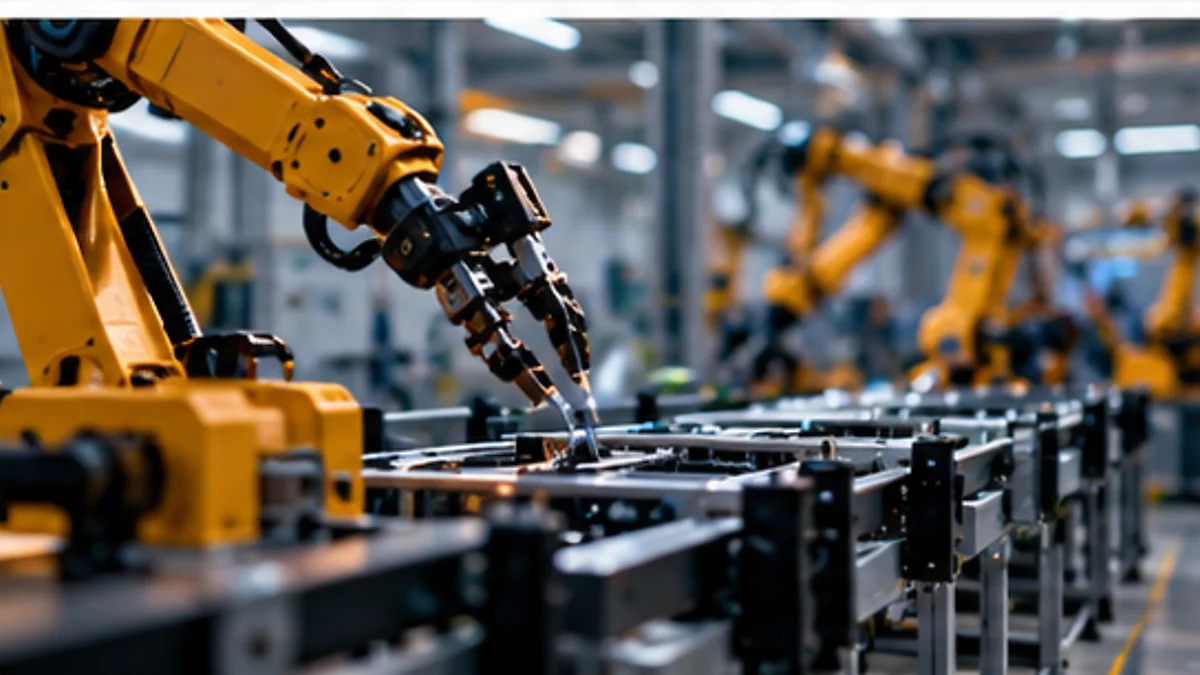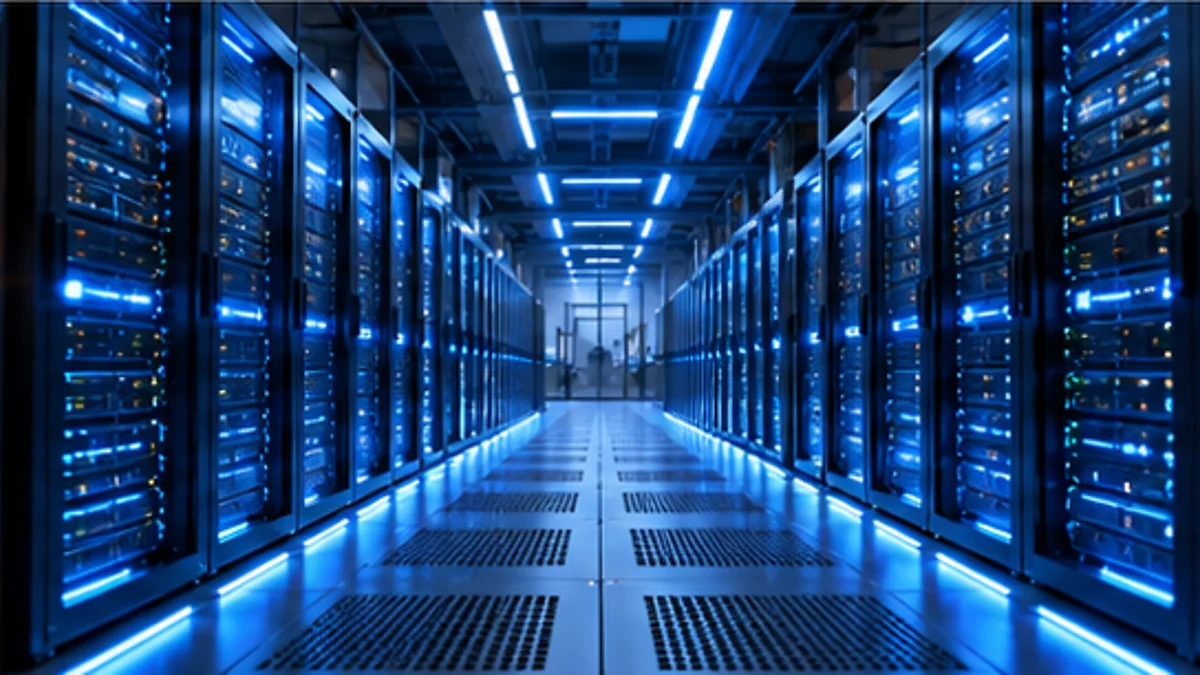
Foxconn has reported record revenue for September and the third quarter, with the company again pointing to strong cloud-networking demand as AI infrastructure spending continues to reshape the electronics manufacturing business.
The results matter beyond Foxconn itself. The Taiwanese manufacturer sits deep inside the global technology supply chain, and its server business has become an important barometer for the physical buildout behind generative AI.
AI servers are changing Foxconn’s revenue mix
In its October 5 revenue announcement, Hon Hai Precision Industry, better known internationally as Foxconn, reported its latest unaudited monthly sales and highlighted continued strength in cloud network products.
That category includes the server systems and related hardware used by hyperscalers and AI infrastructure providers. Demand for accelerated computing has pushed data-center operators to deploy increasingly dense systems built around high-end GPUs, networking equipment and specialized power and cooling components.
Foxconn is one of the manufacturers positioned to benefit from that spending because it can assemble systems at enormous scale while coordinating complex component supply chains.
Why manufacturing data is an important AI indicator
Much of the AI industry’s public attention focuses on model releases and software revenue. Manufacturing results provide a different view: whether companies are actually buying enough physical infrastructure to support their plans.
Server demand affects far more than GPU vendors. It flows through motherboard makers, networking suppliers, power systems, cooling equipment, memory producers, contract manufacturers and data-center construction.
That makes Foxconn’s cloud-networking performance one useful signal of whether the AI infrastructure cycle is still expanding. Strong orders do not prove every AI investment will generate attractive returns, but they show that the capital buildout remains real.
The infrastructure race is becoming more concentrated
AI servers are expensive, power-hungry and technically demanding. Building them at scale favors companies with global procurement networks and manufacturing experience. The result could strengthen the position of a relatively small group of manufacturers able to meet the quality, volume and delivery requirements of hyperscale customers.
At the same time, dependence on a concentrated supply chain creates risk. Geopolitical disruption, component shortages or delays in advanced chips can ripple quickly through server production schedules.
What investors and operators should watch next
The next question is whether current order growth remains durable as hyperscalers move from training clusters toward larger fleets for inference and agentic workloads. Inference can create a more persistent demand base because deployed applications require ongoing compute rather than one-time training runs.
Foxconn’s upcoming quarterly results will provide more detail than monthly revenue alone. For now, the direction is clear: AI is no longer a side business for the world’s largest electronics manufacturers. It is becoming one of the forces determining where capacity, capital and engineering resources are allocated.